Experiences that have shaped my outlook

My life.
My vision.

My life.

From a hospitality business where I did the cooking myself to developing property. My story as an entrepreneur is about putting ideas into practice, meeting people and learning from experience along the way.

Learning business on the job

In my first hospitality business, I did everything myself. I made pancakes, served the guests and then washed the dishes. That was where running a business began for me: among people, doing work that had an immediate result. You could see whether someone was enjoying themselves and quickly notice what could be improved.

In my hospitality businesses, I could immerse myself in the lighting, the interior, the music, the performers and the atmosphere of an evening. All those elements had to work together. What I enjoyed was both coming up with an idea and carrying it through: seeing something in my head grow into a place where people wanted to spend time.

But as the owner, I was also the person people called when something went wrong. While I was busy at one venue, a problem could already be developing at another. Those years taught me how much energy a business takes when almost everything comes back to you.

A different way to build

My hospitality businesses brought me into contact with property. Buying a hotel and later selling it introduced me to property investors. What began as an interest grew into a new direction. I discovered a world that called for longer-term thinking, where strategy and structure played a larger part.

In 2002, I bought the office on the Loolaan in Apeldoorn. It suited the business I wanted to build. At the same time, I brought my experience in hospitality with me. I looked at a building with the same attention to its appearance and atmosphere that I had previously given to a restaurant or club.

The numbers mattered, but I was also interested in the story behind a place. What could you make of it? Who was it for? And how could you help someone experience its possibilities? It was in that combination of property, creativity and marketing that I found my own way of doing business.

Bringing people together

My New Year’s receptions at Paleis Het Loo became a distinctive part of my business story. I brought together people from property, business, politics and other walks of life. People who would not necessarily meet through their everyday work.

The speakers were part of the attraction, but I also valued the conversations between guests. A meeting could lead to a more detailed conversation later. I would then invite business contacts to the office as well. That gave an initial introduction a follow-up and allowed a business relationship to develop more substance.

When I later began organising the receptions again, I thought more carefully about what a gathering like that should offer. A good conversation and hearing from someone with first-hand experience became more important to me. Bringing people together remained appealing, especially when there was room to learn from one another.

Experience as a starting point

After business setbacks, I had to look again at what I could build. In doing so, I discovered how much I still had: my experience, my knowledge of business, my feel for marketing and my ability to see possibilities. I could draw on everything I had learned over the years.

It also meant turning my attention to new questions. When it came to housing, for example, I began thinking about what someone really needs: a place of their own, a practical layout and opportunities to meet other people. That idea took shape in Edelwonen. My attention shifted from the building alone to the lives people could lead there.

For me, starting again happened in small steps. Having a conversation, inviting people again, developing an idea and then showing what came of it. Gradually, I found more room to look ahead. My experience became the starting point for new work.

Looking back to move forward

In my books, I record different periods of my life in business. Het komt VastGoed covers the early years of building a business, from hospitality to property. My book In alle BouwStaten describes my experiences during the financial crisis and its consequences for my business. In De Weg Terug, I look at starting again and the lessons that continue to shape what comes afterwards.

Looking back also shows me how my own measures of success have changed. For a long time, a successful project mainly made me think about the next step: how could it become bigger? These days, I also ask how much room a plan leaves if circumstances change, and whether I really want to spend my time on it.

The pleasure of coming up with something and making it happen has stayed with me. My view of what makes a good business decision has broadened. That is the development I want my stories to show: the ideas, the decisions and the way experience changes how you do business.
Read more in my books
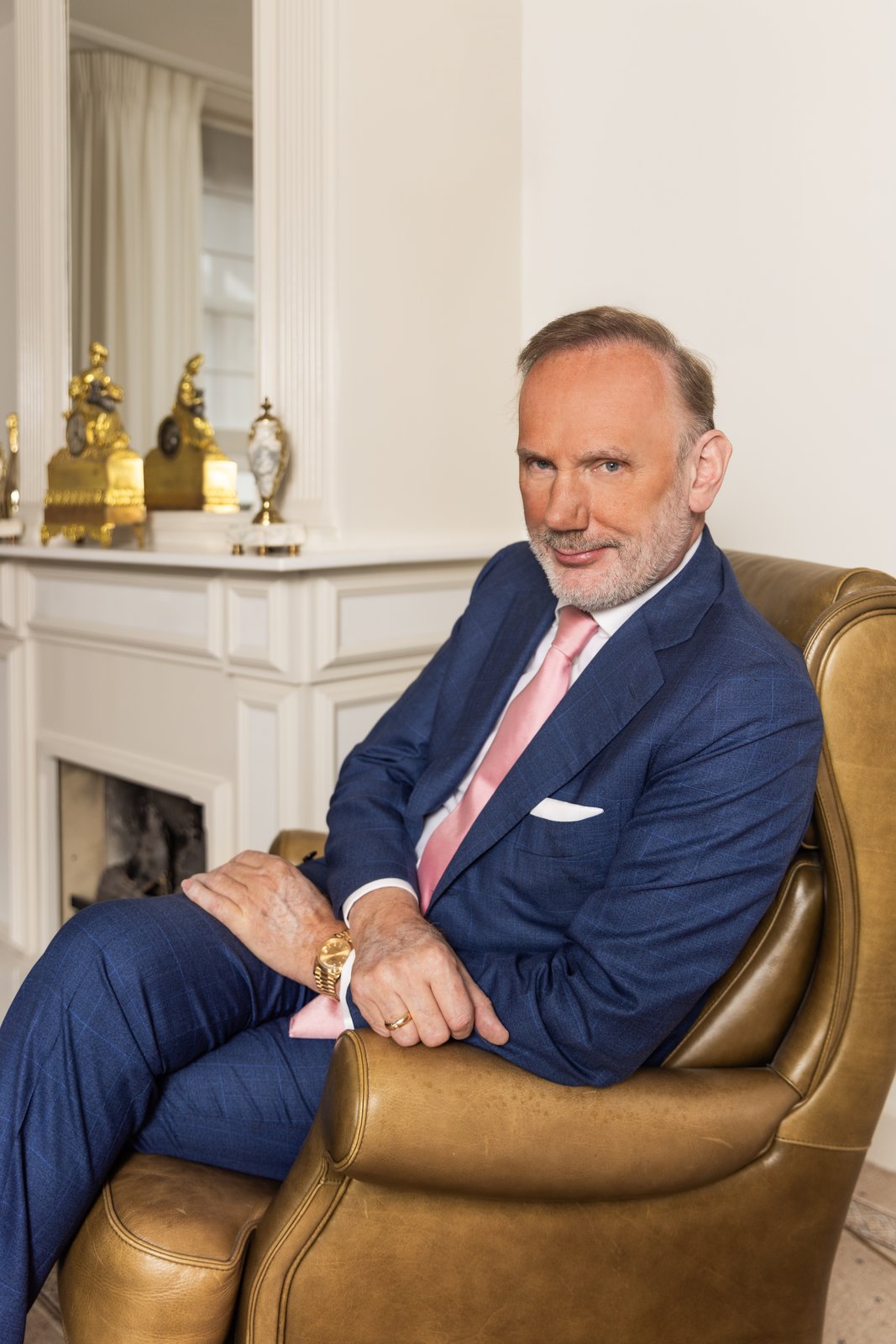
Jonald Bouwhuis in a leather armchair beside a fireplace.

My personal perspective on business

My vision.

Experience has changed how I look at business. I still enjoy creating, but I ask different questions about growth, collaboration and the value of a project. Here I share what matters to me.

Getting a feel for a place

My years in hospitality shaped how I look at property. In a club or restaurant, you could see how strongly the interior, the lighting and the music combined to create an atmosphere. When I moved into property, I continued to pay attention to how those elements worked together. A building has dimensions and a price, but it also creates a feeling.

With House Movie, I began presenting property through film. I used images, music and a story to show the possibilities of a place. I wanted people to be able to imagine what it would be like to live or work there.

For me, that is still where the value of marketing lies. First, understand what a place can mean and who it is for. From that understanding, you can develop a concept and make the presentation reflect what you actually want to create.

A home of your own, with room to connect

When thinking about Edelwonen, I started with a practical question: what do you need to enjoy where you live? An apartment of your own is important, but the surroundings matter too. You can make a conscious choice to live in a compact home while also valuing a place where you can connect with other people.

That combination appeals to me. Your own front door and the freedom to spend time on your own, alongside shared spaces or facilities that make it easier to meet others. The social side becomes part of the housing concept itself.

As a developer, I therefore look beyond the layout of each individual home. How do you use the building as a whole? Where do people meet? What makes the surroundings practical and pleasant? Questions like these guide my ideas about housing. They connect property development with the needs of the people who live their daily lives there.

Considering what might change

When something went well, I used to focus mainly on how I could make it bigger. Success gave me confidence in the next step. As I rebuilt, I began asking a second question alongside that one: what happens to this plan if things go wrong?

I look at the room to adapt, scale down or find another use. The commitments that continue when income falls are also part of my assessment. Reserves give you time to think and make decisions. I have come to value that room to manoeuvre more and more.

It also changes how I look at an opportunity. I still spot possibilities quickly and enjoy working through the numbers for a new idea. Yet I can now decide to pass up a deal. Becoming stronger can matter more to me than becoming bigger. Sometimes that takes just as much discipline as working hard and persevering.

Trust grows through working together

I enjoy meeting people and having a good conversation. Over the years, I have become more thoughtful about what makes a business relationship valuable. For me, it shows in behaviour: keeping agreements, staying honest and showing consideration for the people you work with.

Trust takes time. You get to know someone better when a difficult decision has to be made or when a collaboration turns out differently from what you expected. That is when you discover whether you can speak openly with each other.

That includes being willing to disagree. If everyone nods enthusiastically, a flawed plan can carry on for too long. I get more from someone who points out a weakness and dares to tell me I have overlooked something. That asks something of me too: listening, asking questions and being willing to revise my judgement. That is how trust gains substance for me in everyday business.

Finding a workable solution

In a business disagreement, a great deal of energy can go into the question of who is right. I have increasingly found myself asking what I ultimately want to achieve. Which outcome will actually help us move forward?

That is why I believe in talking, negotiating and getting to the heart of a problem. Sometimes it helps to take a step back and explore the possibilities with the people involved. What does each person need? What is possible? And what agreements would allow us to move on?

I believe clear boundaries matter in that process. You need to be able to say what you stand for and what you will not accept. At the same time, I want to keep looking for a solution that allows the parties to move forward. Bringing a conflict to an end can be a deliberate and firm business decision.

Choosing how I spend my time

I can drive past an empty building and almost immediately start imagining what you could do with it. That pleasure in seeing possibilities has stayed with me. Watching something that began as an idea become reality is what makes running a business appealing to me.

At the same time, a project asks for more than an investment. You commit time, attention and responsibility to it. If I am going to spend years working on something, I want to feel it is truly worthwhile. The expected financial return has therefore become one part of my assessment, alongside the work itself and the people I will be doing it with.

For me, success has also come to mean having the freedom to choose. Being able to let an opportunity pass and leave room for something I would enjoy building. I want to keep creating and completing worthwhile projects, with more attention to which projects really deserve my time.

More about De Weg Terug
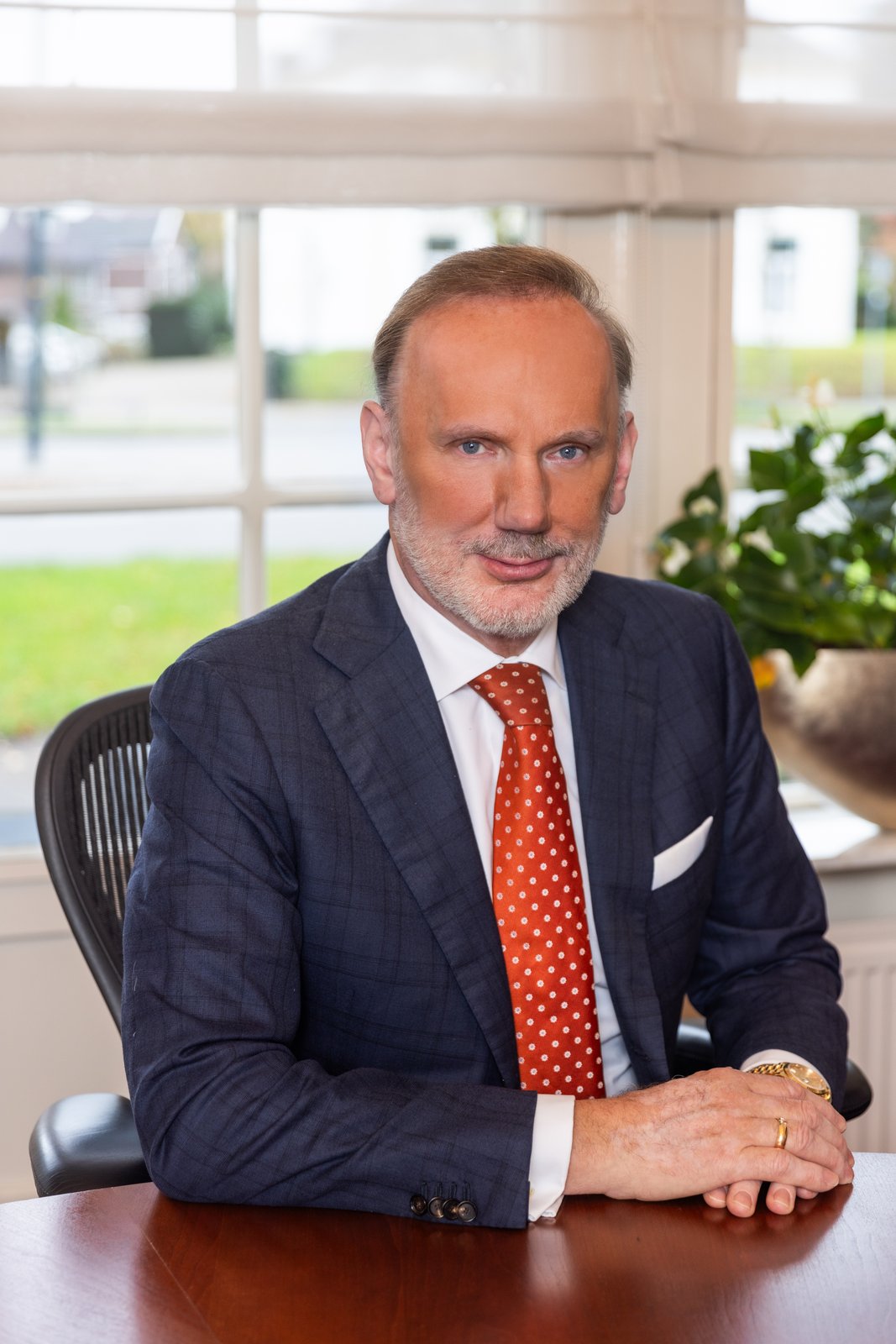
Jonald Bouwhuis at a table by the window.